1. Introduction
For want of a better title, this page is here to share information on a variety of Ukrainian cultural topics, especially where members have had first-hand experience. Items of interest from across the globe relating to Ukrainian culture, heritage, and community life are gathered here for the benefit of Ukrainian Islanders and the wider diaspora.
Prince Edward Island may be small, but its Ukrainian community has maintained strong cultural ties to their heritage, keeping traditions alive through music, language, and community gatherings.
2. Muzika i Knyshky — Music and Books
Music Recordings
Dot Com Recordings in Toronto specializes in contemporary Ukrainian recordings and offers a wide selection of Ukrainian music for purchase. They are an excellent resource for anyone looking to connect with Ukrainian musical heritage.
Paris to Kyiv — Since 1980, Canadian singer and culture maker Alexis Kochan, along with her ensemble Paris to Kyiv, has been rediscovering ancient Ukrainian music and bringing it to new audiences. Their performances blend traditional folk elements with contemporary arrangements, creating a bridge between the old world and the new.
The ensemble has played a vital role in preserving Ukrainian musical traditions that might otherwise be lost, performing at festivals and cultural events across Canada and internationally.
Ukrainian-Language Books
For those seeking Ukrainian-language literature, there are dedicated publishers and bookshops that cater to the diaspora community. Ukrainian books cover everything from classic literature to modern fiction, historical texts, and children’s stories that help younger generations connect with their linguistic heritage.
3. Ukraiinska Shkola — Ukrainian School
The Ukrainian Genealogy Group PEI has organized monthly Ukrainian language classes to help community members and interested learners develop their Ukrainian language skills. These classes serve several important purposes:
- Preserving the Ukrainian language in the diaspora community
- Connecting younger generations with their heritage language
- Building community bonds through shared learning experiences
- Supporting genealogical research by developing language skills needed to read original documents
Contact the Ukrainian Genealogy Group PEI for information about current class schedules and registration.
4. Novyny — News
E-Poshta Weekly Newsletter
E-Poshta is a comprehensive weekly review of Ukrainian news and events in English from around the world. It is published weekly and provides an invaluable connection to the global Ukrainian community.
The newsletter covers:
- Ukrainian community activities across Canada and internationally
- Cultural events and festival announcements
- News from Ukraine and the diaspora
- Historical commemorations and community milestones
- Resources for Ukrainian heritage preservation
E-Poshta has been an important link for Ukrainians scattered across the globe, helping them stay connected to their cultural roots and community. For those interested in current affairs and cultural developments in Ukraine, this overview of Ukrainian society and culture provides regular insights and analysis.
5. Important Dates for Ukrainian Islanders
Several key dates mark the Ukrainian calendar and are celebrated by communities across Prince Edward Island and Canada:
- Ukrainian Independence Day — August 24th
- Saint Nicholas Day — December 19th: gifts for children
- Christmas Eve (Holy Night) — January 6th
- Malanka (New Year’s Eve) — January 13th
- Feast of Jordan / Epiphany — January 19th
- Velykyi Den’ (Easter) — varies by year following the Julian calendar
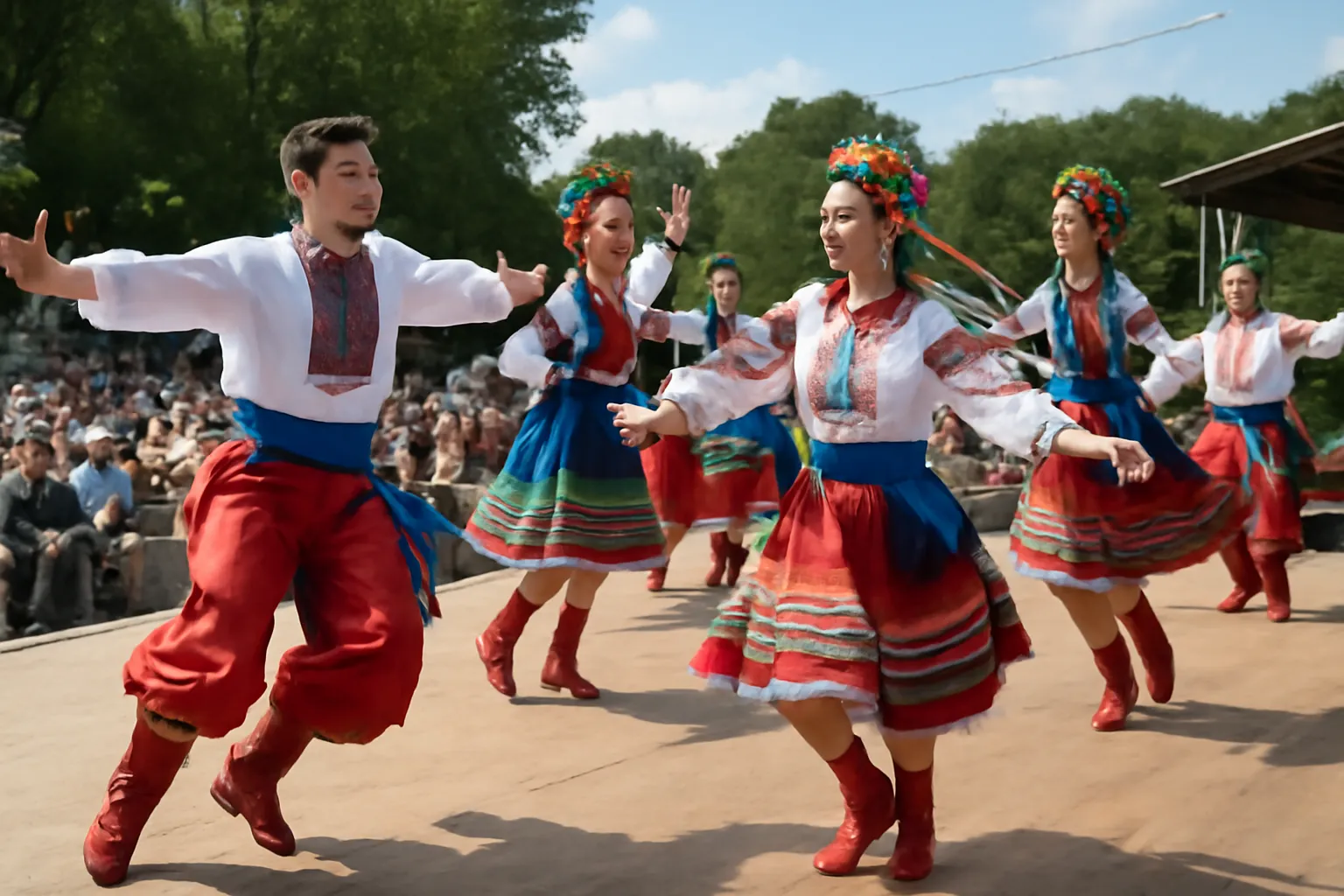
These dates provide opportunities for the community to come together, celebrate shared heritage, and pass traditions on to the next generation.
6. Historical Context
The Ukrainian presence on Prince Edward Island and in Atlantic Canada is part of the larger story of Ukrainian immigration to Canada. The first Ukrainian settlers arrived at Montreal on September 7th, 1891, and from there spread across the country.
Key historical milestones:
- 1817 — First Ukrainians enter Manitoba as mercenary troops in Lord Selkirk’s hired Swiss de Meuron Regiment
- 1891 — First Ukrainian settlers arrive at Montreal
- 1891-1914 — Major wave of Ukrainian immigration to the Canadian prairies
- Early 1900s — Ukrainian communities established across Atlantic Canada
The Ukrainian community has enriched Canadian culture through their traditions, cuisine, arts, and strong community values. From the prairies to the Atlantic provinces, Ukrainian Canadians continue to celebrate and preserve their heritage.
7. Getting Involved
The Ukrainian Genealogy Group of Prince Edward Island welcomes all who are interested in Ukrainian heritage and culture. Whether you are tracing your family roots, learning the Ukrainian language, or simply curious about Ukrainian traditions, there are many ways to get involved:
- Attend monthly meetings and cultural events
- Participate in Ukrainian language classes
- Contribute family histories and genealogical records
- Share cultural knowledge and traditions with the community
Additions, corrections, suggestions, and links are always welcome. Contact the group at [email protected] to get involved.
8. Traditional Ukrainian Folk Instruments
Ukrainian folk music is inseparable from the instruments that give it its distinctive character. Understanding these instruments enriches any appreciation of Ukrainian cultural life, whether you encounter them at a community concert in Charlottetown or on a recording from Kyiv.
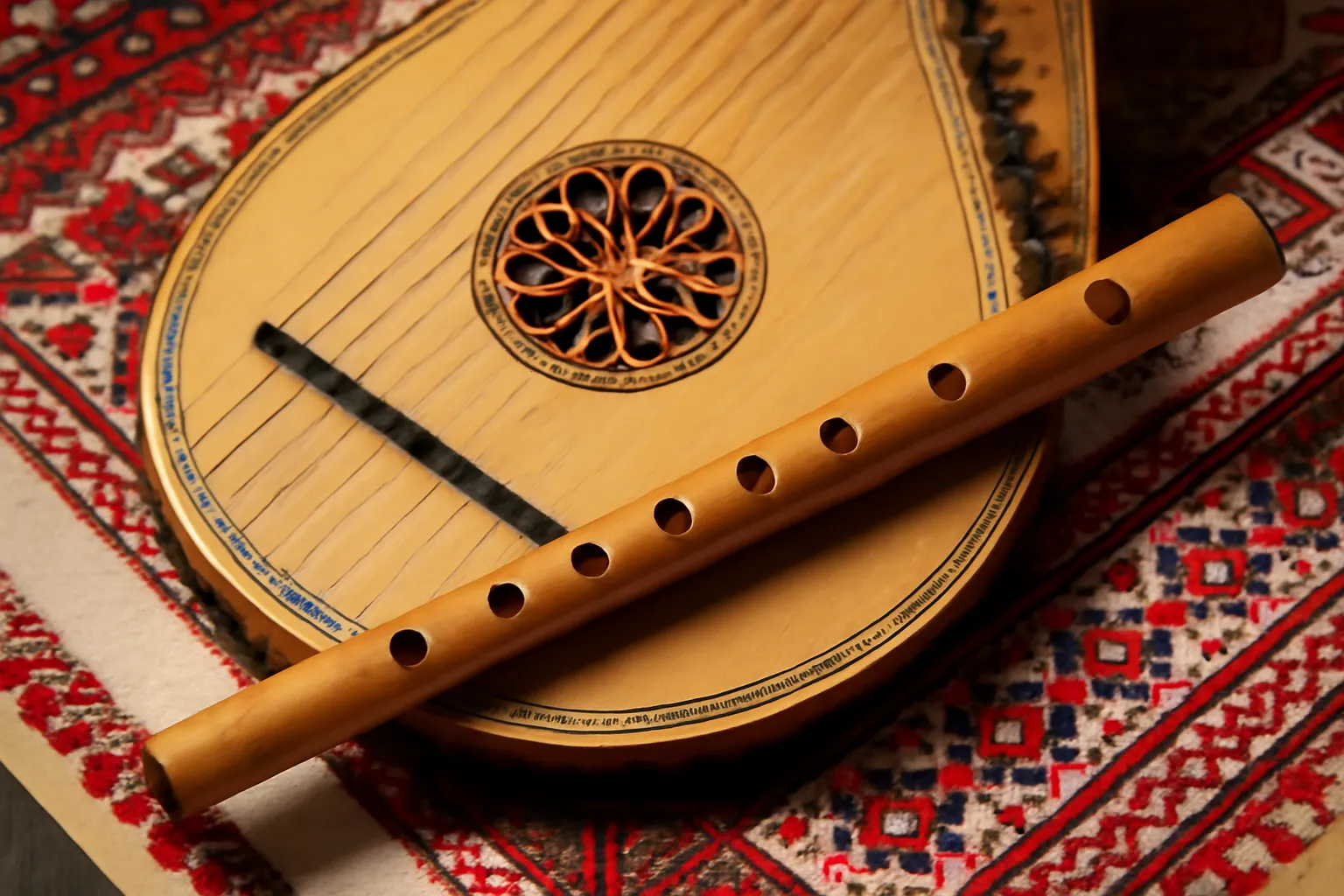
The bandura is the national instrument of Ukraine and the one most closely associated with Ukrainian identity. A plucked string instrument with a wide, asymmetrical body, the bandura can have anywhere from 30 to 68 strings. It combines bass strings on the left side of the soundboard with treble strings on the right, allowing the player to produce both melody and accompaniment simultaneously. The bandura's origins trace back to the kobzari, wandering blind minstrels who travelled across Ukraine from the sixteenth century onward, singing epic ballads (dumy) about Cossack heroes and historical events. The Soviet regime attempted to suppress the kobzar tradition in the 1930s, but the instrument survived through diaspora communities in Canada, the United States, and Australia.
The kobza is a related but distinct instrument, smaller than the bandura and closer in shape to a lute. It was the original instrument of the kobzari before the bandura evolved into its modern form. The sopilka is a traditional Ukrainian end-blown flute, typically carved from wood, that produces a clear, bright tone well suited to pastoral melodies and dance tunes. It remains a staple of folk ensembles across Ukraine and the diaspora. The tsymbaly (hammered dulcimer) is a trapezoidal instrument with metal strings that are struck with small wooden mallets. The tsymbaly provides rhythmic and harmonic foundation in folk ensembles and is especially prominent in the music of western Ukraine and the Carpathian mountain regions.
9. Famous Ukrainian-Canadian Musicians and Cultural Figures
Ukrainian Canadians have made significant contributions to the country's musical and cultural landscape. Beyond Alexis Kochan and Paris to Kyiv, several other figures deserve recognition. The Ukrainian Shumka Dancers of Edmonton, founded in 1959, have become one of the world's premier Ukrainian dance companies, touring internationally and blending traditional Hopak choreography with theatrical staging. Pianist Lubka Kolessa (1902-1997), born in Lviv and later based in Toronto, was one of the most accomplished concert pianists of the twentieth century and a tireless advocate for Ukrainian classical music.
In popular music, singer-songwriter Bif Naked (born in New Delhi to Ukrainian-Canadian parents) and rock musician Andy Kim (born Andrew Youakim, of Lebanese-Ukrainian heritage) have both achieved mainstream success in Canada. In the folk and roots music scene, the Kubasonics from Newfoundland fuse Ukrainian folk music with rock and Celtic traditions, reflecting the multicultural reality of Atlantic Canada. Their energetic performances have brought Ukrainian sounds to audiences who might never have encountered them otherwise.
10. Ukrainian Language Schools and Cultural Organizations in Atlantic Canada
While the Ukrainian community in Atlantic Canada is smaller than its counterparts on the prairies, it has sustained a network of language schools and cultural organizations that keep heritage alive. The Ukrainian Genealogy Group PEI itself serves as a cultural hub, organizing language classes, holiday celebrations, and educational presentations. In Nova Scotia, the Ukrainian Cultural Society of Halifax hosts annual events including Malanka celebrations, pysanka workshops, and embroidery classes.
Ukrainian Saturday schools (ridna shkola) have historically operated in cities across Canada, teaching children the Ukrainian language, history, geography, and cultural arts. Although enrollment in Atlantic Canada has fluctuated with demographic shifts, the digital age has opened new possibilities: online Ukrainian language courses through institutions such as the University of Alberta's Canadian Institute of Ukrainian Studies (CIUS) and the International Ukrainian School now make it possible for learners anywhere in the Maritimes to study Ukrainian from home. Local libraries in PEI and Nova Scotia have also expanded their collections of Ukrainian-language materials in recent years.
11. Ukrainian Literature in Translation: A Recommended Reading List
For English-speaking members of the diaspora who wish to connect more deeply with the literary heritage of Ukraine, a rich body of translated works is available. The following titles represent some of the most important and accessible entry points:
- Kobzar by Taras Shevchenko — The foundational work of modern Ukrainian literature. Shevchenko's poetry, first published in 1840, gave voice to the Ukrainian national consciousness and remains beloved today. Several English translations are available, including Peter Fedynsky's 2013 bilingual edition.
- The Forest Song by Lesia Ukrainka — A dramatic fairy tale set in the forests of Volhynia, blending folklore with philosophical themes about nature, love, and human ambition.
- Shadows of Forgotten Ancestors by Mykhailo Kotsiubynsky — A novella about Hutsul life in the Carpathian Mountains, later adapted into a celebrated 1965 film by Sergei Parajanov.
- The Museum of Abandoned Secrets by Oksana Zabuzhko — A sweeping contemporary novel that weaves together the stories of the Ukrainian Insurgent Army (UPA) with modern-day Kyiv.
- Fieldwork in Ukrainian Sex by Oksana Zabuzhko — A groundbreaking novella that became one of the most widely read works of Ukrainian fiction after independence.
- Death and the Penguin by Andrey Kurkov — A darkly comic novel set in 1990s Kyiv, widely translated and a popular introduction to Ukrainian fiction for international readers.
- The Beekeeper of Sinai and other works by Yuri Andrukhovych — Andrukhovych is one of the most important voices in contemporary Ukrainian literature, known for his playful postmodernism and sharp social commentary.
These works, along with anthologies such as From Three Worlds: New Writing from Ukraine (edited by Ed Hogan), offer a window into the depth and diversity of Ukrainian literary tradition, from the Romantic era to the present day.
Frequently Asked Questions
Dot Com Recordings in Toronto specializes in contemporary Ukrainian recordings and is a great resource for Ukrainian music in Canada. Additionally, artists like Alexis Kochan and her ensemble Paris to Kyiv have been performing and recording traditional Ukrainian music since 1980.
The Ukrainian Genealogy Group PEI has organized monthly Ukrainian language classes (Ukraiinska Shkola). Contact the group for current schedules and registration information.
E-Poshta is a comprehensive weekly review of Ukrainian news and events in English from around the world. You can subscribe to receive weekly updates covering Ukrainian community activities, cultural events, and news from the global diaspora.
Paris to Kyiv, led by Canadian singer Alexis Kochan since 1980, is one of the most notable groups rediscovering and performing ancient Ukrainian music. They blend traditional folk elements with contemporary arrangements.