1. Genealogy Forms and Templates
Proper documentation is the foundation of successful genealogy research. Having the right forms helps you organize your findings systematically and ensures you don’t miss important details.
Essential Forms for Family Research
- Pedigree Chart — traces your direct ancestors back through generations
- Family Group Sheet — documents each family unit with parents and children
- Research Log — tracks what sources you’ve checked and what you found
- Correspondence Log — records your communications with archives, libraries, and other researchers
- Source Citation Form — documents where you found each piece of information
Special Forms for Ukrainian Research
Ukrainian genealogy presents unique challenges that benefit from specialized tracking:
- Name Variant Tracking Sheet — essential for Ukrainian names that were transliterated differently under various administrations (Austro-Hungarian, Russian, Polish, Soviet)
- Immigration Record Worksheet — tracks ship manifests, port of entry, and destination information
- Parish Record Tracker — monitors which church records you’ve checked across different denominations and jurisdictions
2. Meeting Archives and Presentations
The Ukrainian Genealogy Group PEI has hosted numerous informative meetings and presentations over the years, bringing together experts and enthusiasts to share knowledge about Ukrainian genealogical research.
Notable Presentations
Ivan Svarnyk — Lviv State Archives (March 1, 2000)
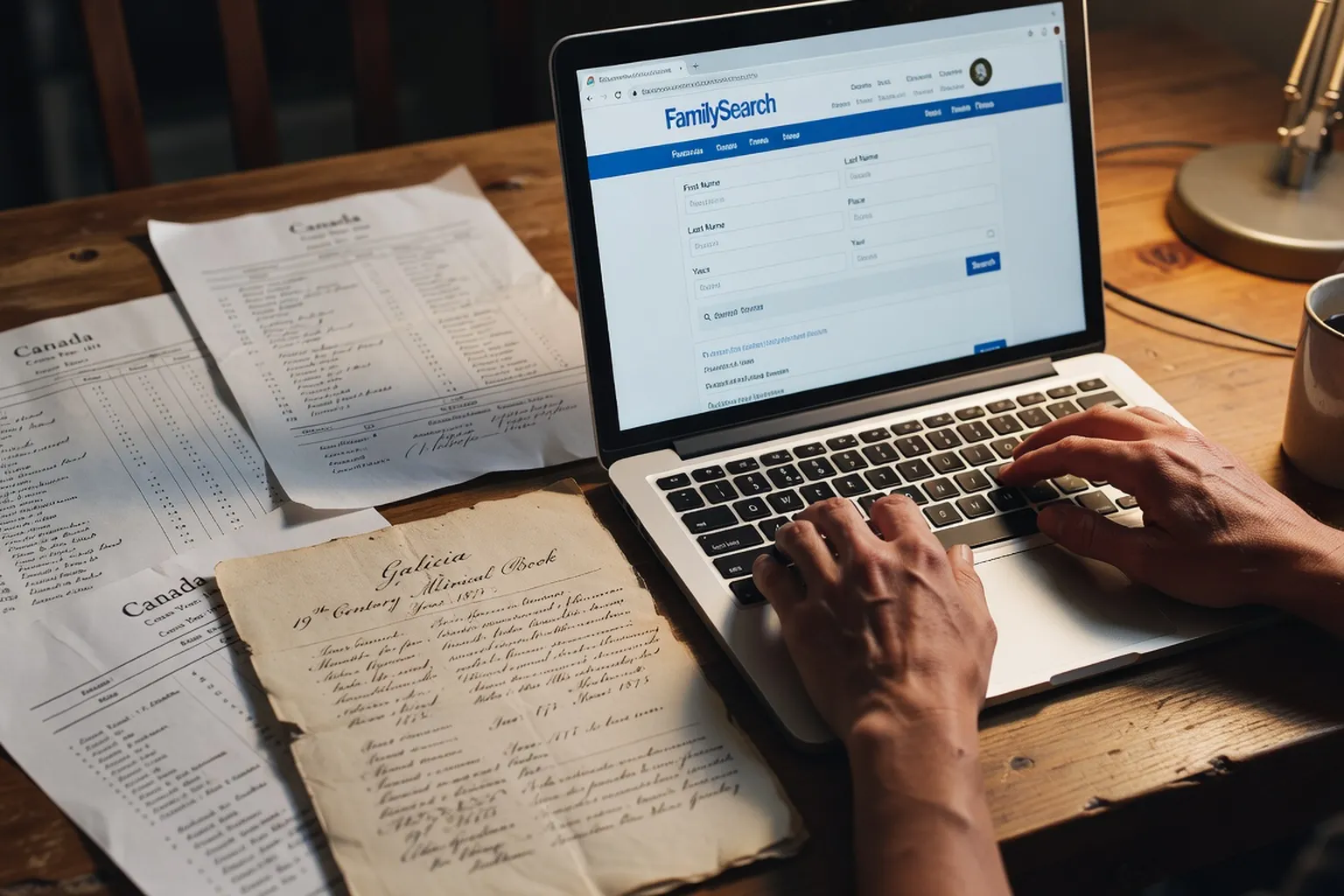
Ivan Svarnyk of the Lviv State Archives offered a historical perspective on the changes in the borders of Ukraine and how this has impacted on the names and spellings of various towns, cities, and counties. His presentation covered the meanings for genealogists of the various administrative divisions used in research, including:
- Judicial divisions — court records and their jurisdictions
- Ecclesiastical divisions — church administrative boundaries
- Provincial divisions — civil administrative regions
This presentation is particularly valuable because understanding how borders changed helps genealogists determine where to look for records of their ancestors. A village that was in Galicia under Austria-Hungary might later have been in Poland, then the Soviet Union, and now independent Ukraine, with records scattered across multiple archives.
3. Genealogy Software
Modern genealogy software makes it easier to organize, search, and share your family history research. Here are some options suitable for Ukrainian genealogy:
Desktop Software
- Family Tree Maker — comprehensive software with good support for source citations and multimedia
- Legacy Family Tree — powerful features including research guidance and source tracking
- Gramps — free, open-source genealogy software that runs on Windows, Mac, and Linux
- RootsMagic — user-friendly with excellent reporting capabilities
Online Platforms
- FamilySearch — free platform by the LDS Church with billions of records, including many Ukrainian church records
- Ancestry — largest commercial genealogy platform with immigration records and census data
- MyHeritage — strong European record collections
Tips for Ukrainian Genealogy Software Use
When selecting software for Ukrainian genealogy research, consider these factors:
- Cyrillic support — ensure the software can handle Ukrainian characters
- Multiple name fields — you’ll want to record names in both Latin and Cyrillic scripts
- Flexible date formats — Julian and Gregorian calendar dates may differ
- Source citation support — critical for tracking records across multiple archives and countries
- Location hierarchy — should support changing administrative divisions over time
4. Getting Started with Ukrainian Genealogy
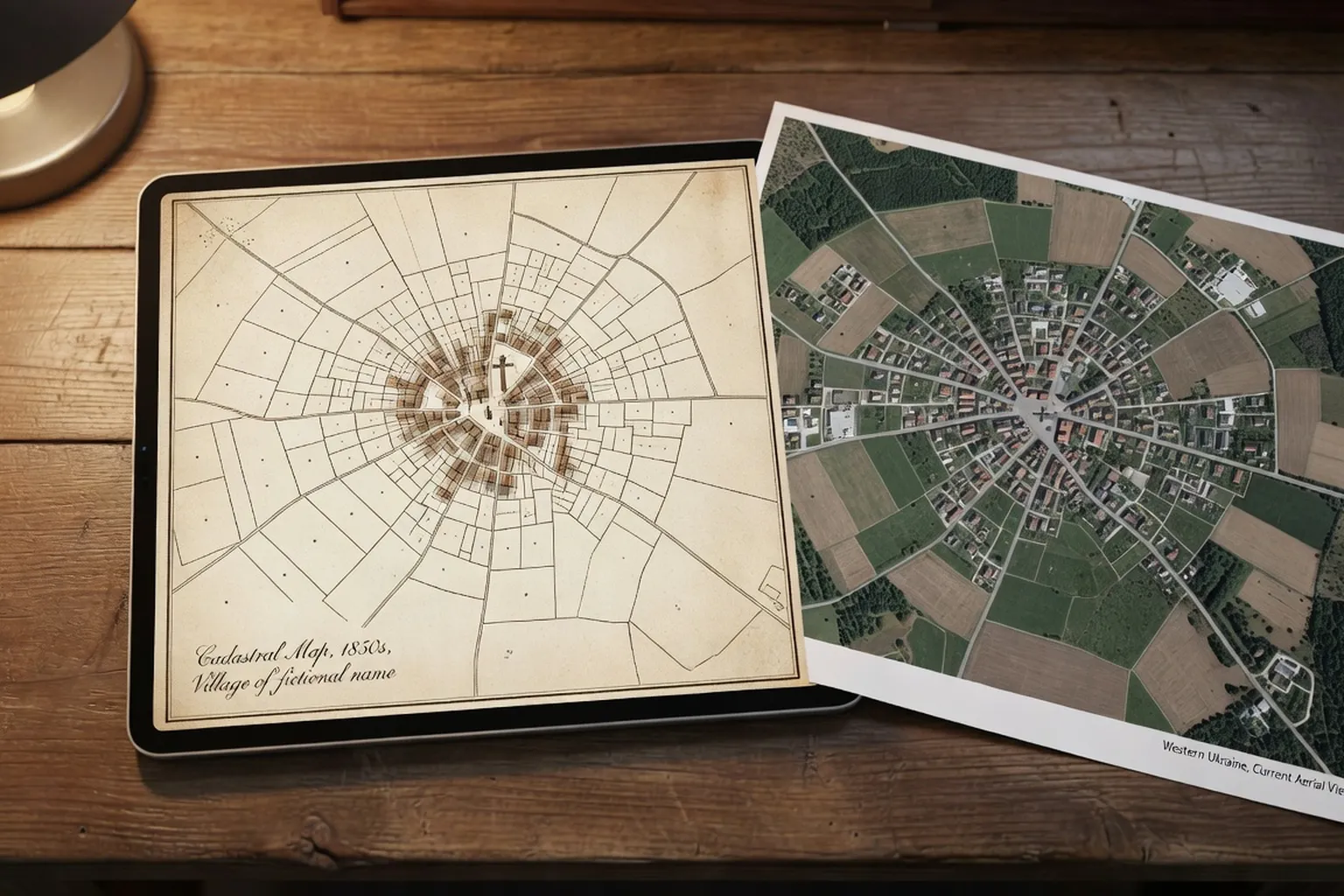
If you’re new to Ukrainian genealogy research, here’s a step-by-step approach:
Step 1: Gather Family Knowledge
Interview living family members and collect:
- Full names (including maiden names)
- Dates and places of birth, marriage, and death
- Immigration stories and dates
- Names of ancestral villages in Ukraine
- Church affiliations
Step 2: Search Canadian Records
- Immigration records at Library and Archives Canada (1891-1935 available online)
- Census records from 1901, 1911, 1916, 1921
- Homestead records from provincial archives
- Church records from local parishes
Step 3: Reach Across the Ocean
- LDS Family History Library — microfilmed church records from Ukraine
- Ukrainian archives — Lviv, Kyiv, and regional state archives
- Community history books — see our Community and Family Histories directory
Step 4: Connect with Other Researchers
- Join the InfoUkes Genealogy mailing list
- Contact the East European Genealogical Society
- Attend Ukrainian Genealogy Group meetings
5. Newsletters Archive
Newsletters from previous meetings of the Ukrainian Genealogy Group PEI are preserved in PDF format. These newsletters contain summaries of presentations, research tips, and community announcements.
For further information or to access archived materials, contact Ted Lomatski at the Ukrainian Genealogy Group PEI by email.
6. Contact and Resources
For downloadable forms, newsletter archives, and additional resources:
- Email: uggpei@lomatski.ca
- Subject: Include “Genealogy Research” in your email subject line
Additions, corrections, suggestions, and links are always welcome. The Ukrainian Genealogy Group PEI is committed to helping researchers at all levels of experience trace their Ukrainian roots.
Frequently Asked Questions
Standard pedigree charts, family group sheets, research logs, and correspondence tracking forms are essential. For Ukrainian research specifically, you'll also want forms that track multiple name spellings, immigration records, and church parish information across different administrative jurisdictions.
Popular genealogy software includes Family Tree Maker, Gramps (free and open-source), and Legacy Family Tree. For Ukrainian research, you may also want tools that support Cyrillic text and can handle the multiple transliteration systems used for Ukrainian names.
Yes, newsletters from previous meetings are available in PDF format, including historical presentations. A notable presentation by Ivan Svarnyk of the Lviv State Archives covered the changes in Ukrainian borders and their impact on genealogical research.
Start by gathering information from living family members, then work backwards. Key resources include immigration records at the National Archives of Canada, church records through the LDS Family History Library, and community history books. The Ukrainian Genealogy Group PEI can provide guidance on getting started.