1. Introduction — Why the Holodomor Matters for Genealogy
For those tracing Ukrainian family roots, few historical events present as profound a challenge — and carry as solemn a weight — as the Holodomor (Голодомор), the man-made famine that devastated Soviet Ukraine in 1932-33. The word itself, derived from the Ukrainian holod (hunger) and mor (plague or extermination), translates roughly as “death by hunger.” It describes not a natural disaster, but a deliberate act of destruction directed against the Ukrainian people.
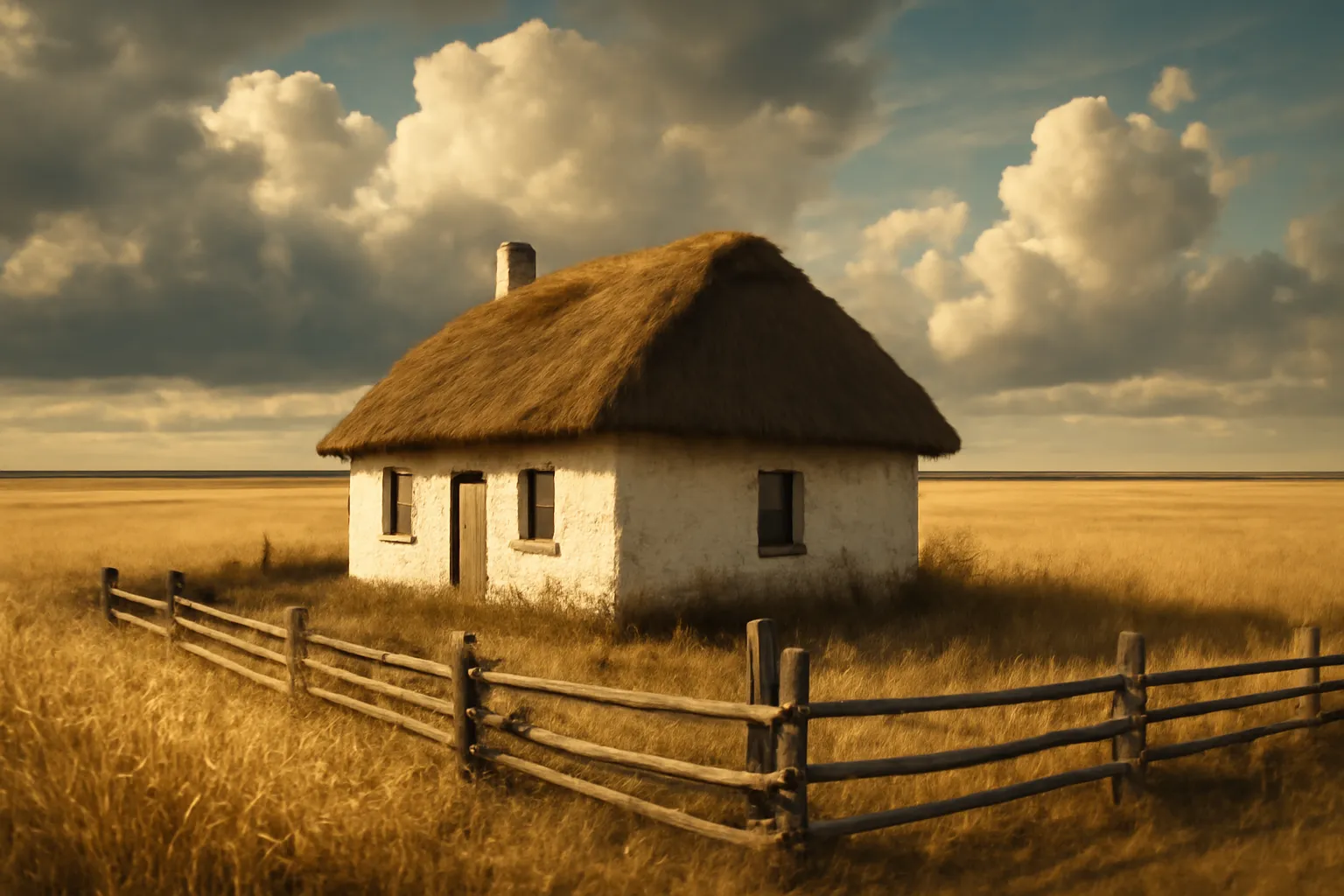
The Holodomor claimed an estimated 3.5 to 7.5 million lives — men, women, and children who perished from starvation in one of the most fertile agricultural regions on earth. For genealogists, this tragedy left a wound in the historical record that extends far beyond the staggering death toll. Entire villages were emptied. Civil registration records were lost, confiscated, or deliberately destroyed. Survivors were dispersed, relocated, or silenced by decades of Soviet censorship that forbade any mention of the famine.
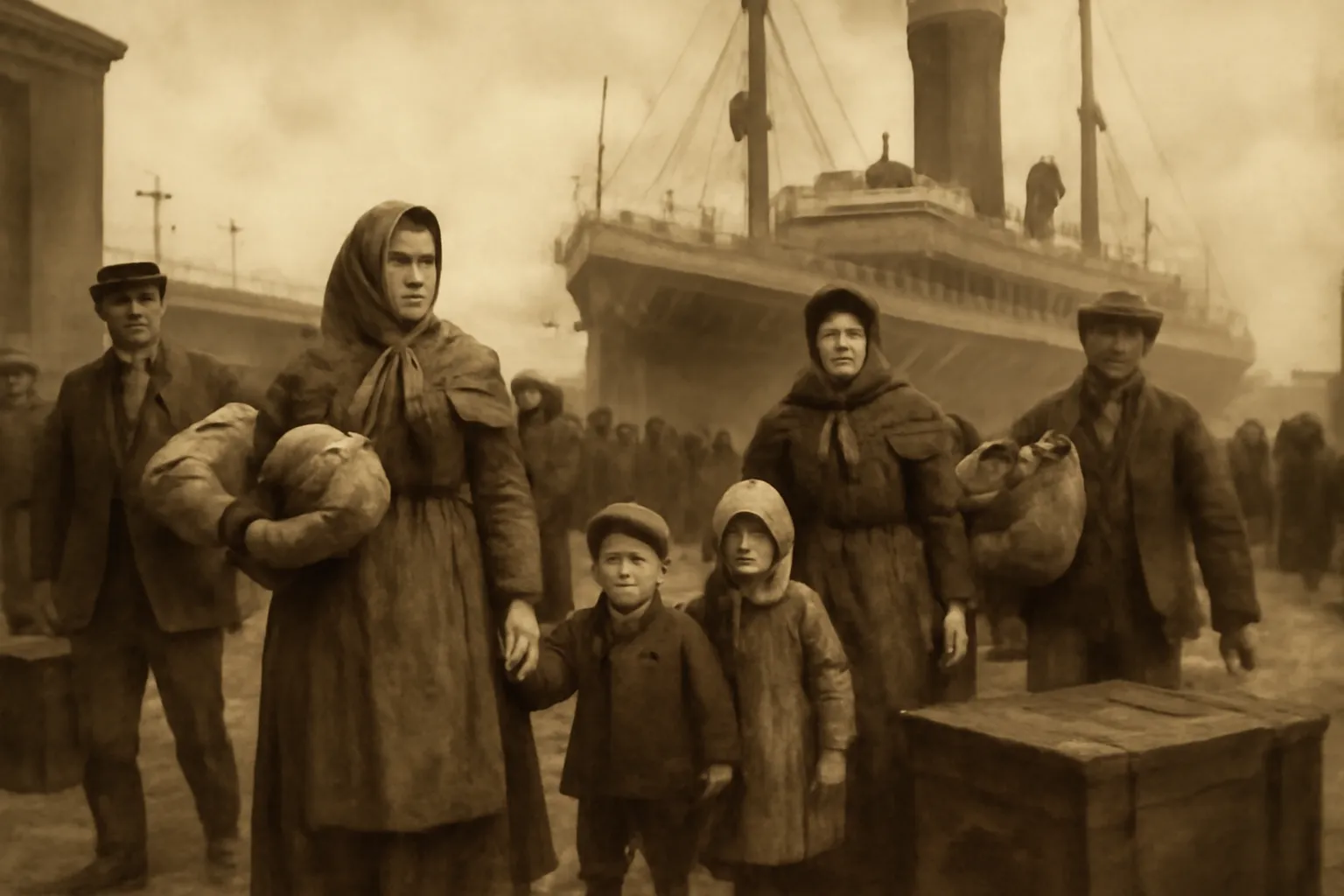
Understanding the Holodomor is essential for anyone researching Ukrainian family history. It explains gaps in the documentary record, the sudden disappearance of family lines from village registers, and the deep cultural trauma carried by survivors and their descendants — including many who eventually made their way to Canada.
2. What Happened — The Mechanics of the Holodomor
Stalin’s Forced Collectivization
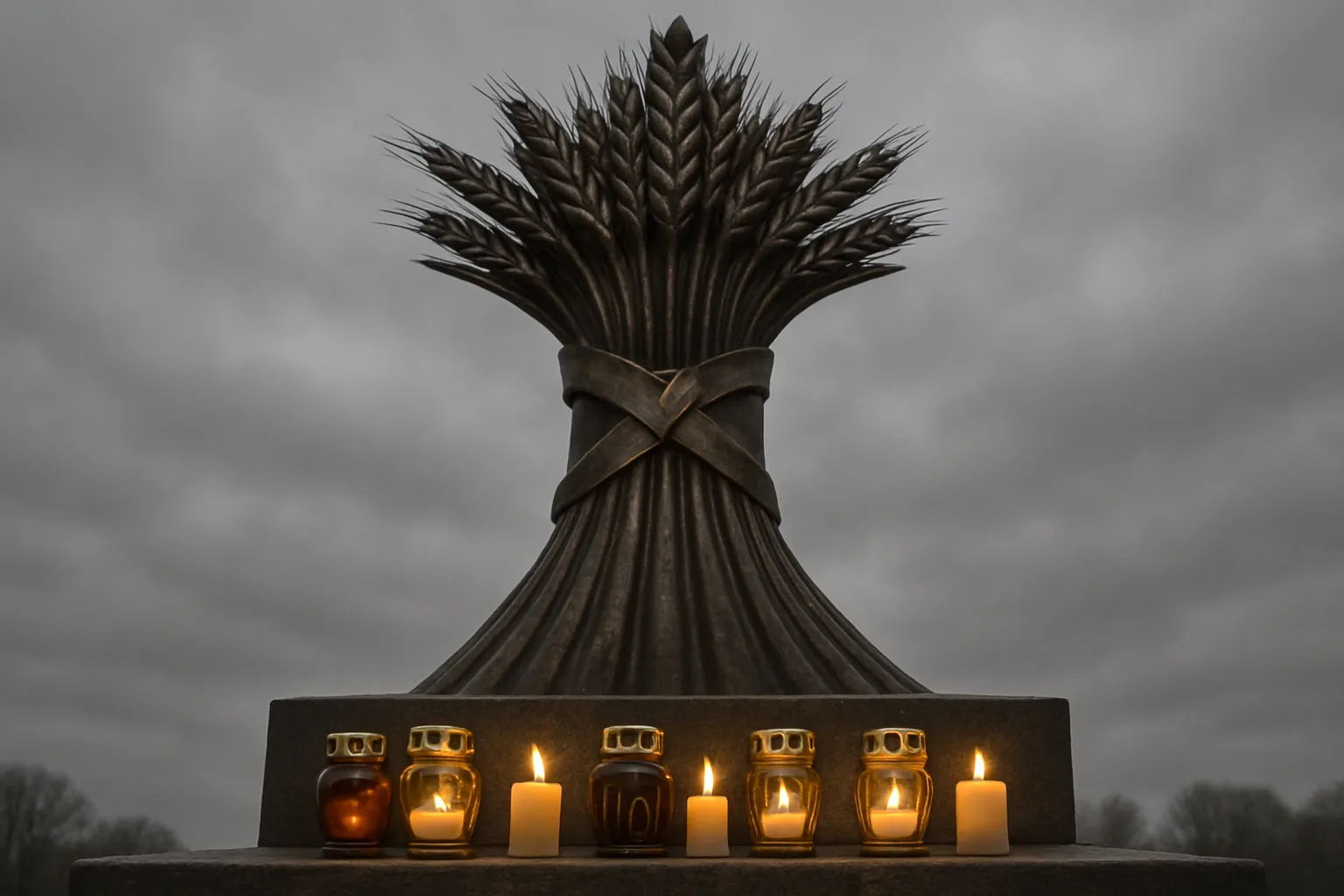
In the late 1920s, Joseph Stalin launched a campaign of forced collectivization across the Soviet Union, abolishing private farming and compelling peasants to surrender their land, livestock, and grain to state-controlled collective farms (kolhospy). Ukraine, known as the “breadbasket of Europe” for its rich black soil (chornozem), was a primary target.
Ukrainian farmers — many of them smallholders who had worked their land for generations — resisted collectivization fiercely. In response, Soviet authorities branded resisters as kulaks (kurkuli in Ukrainian), a class label that carried severe penalties including deportation to labor camps, confiscation of all property, and execution.
Grain Confiscation and the Blacklist System
Beginning in 1932, Soviet authorities imposed impossibly high grain procurement quotas on Ukrainian villages. When communities could not meet these quotas — because the quotas deliberately exceeded what the land could produce — special brigades were sent to confiscate not only grain, but all edible food: vegetables, preserved meats, even seed stock reserved for the following year’s planting.
Villages that failed to meet quotas were placed on blacklists (chorna doshka), which meant they were cut off from all trade goods, including salt, matches, kerosene, and any remaining food supplies. This amounted to a death sentence for entire communities.
Sealed Borders and Enforced Starvation
On January 22, 1933, a directive co-signed by Stalin and Vyacheslav Molotov ordered the sealing of Ukraine’s borders, preventing starving peasants from fleeing to other Soviet republics where food was available. Internal passports, introduced in December 1932, effectively confined rural Ukrainians to their villages. Those who attempted to leave were arrested and returned to starve.
This combination of grain confiscation, blacklisting, and border enforcement transformed a severe food shortage into a systematic campaign of starvation. At the height of the famine in the spring of 1933, Ukrainians were dying at a rate of approximately 25,000 per day.
3. The Human Toll — Counting the Lost
Precise figures for the Holodomor’s death toll remain a subject of scholarly research and debate, largely because Soviet authorities went to extraordinary lengths to conceal the scale of the catastrophe. Census data was falsified, death certificates were altered or not issued, and the 1937 Soviet census — which would have revealed the demographic devastation — was suppressed, and the statisticians who conducted it were arrested.
Modern demographic studies, drawing on declassified Soviet archives and statistical modeling, place the number of excess deaths during the Holodomor at between 3.5 and 7.5 million. The most widely cited scholarly estimates cluster around 3.9 to 4.5 million direct famine deaths, with additional millions lost to reduced birth rates and long-term health consequences.
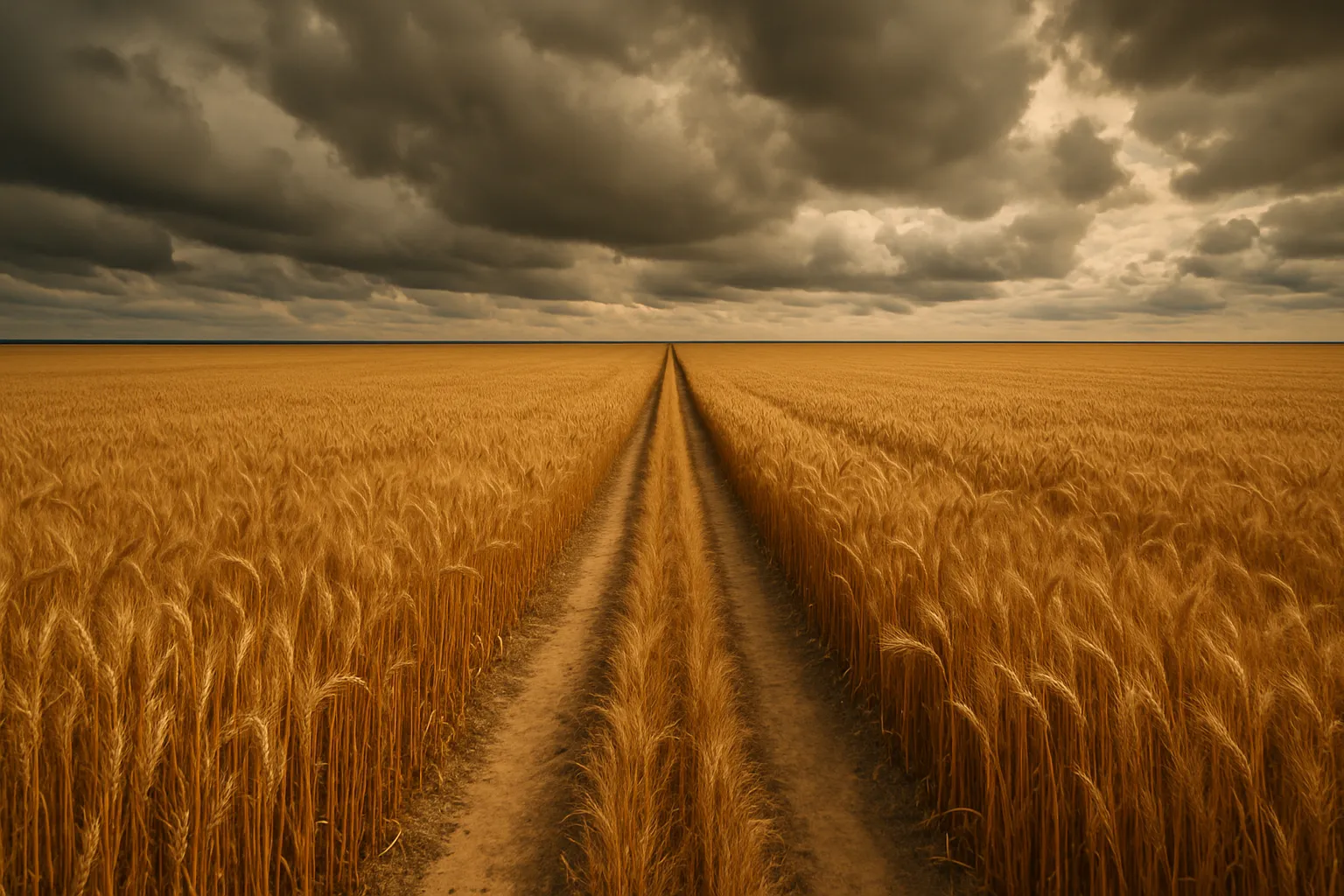
Beyond the numbers, entire communities were erased. Hundreds of villages in central and eastern Ukraine were completely depopulated. In some regions, Soviet authorities subsequently resettled these empty villages with ethnic Russians and other non-Ukrainian populations, fundamentally altering the demographic composition of the countryside.
4. Impact on Genealogical Records
Destruction and Loss of Vital Records
The Holodomor’s impact on genealogical records was devastating and multifaceted. Before the Soviet era, church metric books (metrychni knyhy) served as the primary vital records for births, marriages, and deaths in Ukrainian villages. The anti-religious campaigns of the 1920s and 1930s had already resulted in the closure of thousands of churches, and many of these records were confiscated, transferred to civil authorities, or destroyed.
During the famine itself, the collapse of civil administration in affected areas meant that deaths went unregistered. Village councils (silrady) ceased to function as their members died or fled. In many cases, bodies were collected by special brigades and buried in unmarked mass graves without any documentation.
Gaps in the Family Record
For genealogists, the Holodomor creates a characteristic pattern in the records: family lines that appear consistently in village registers through the 1920s suddenly vanish in 1932-33, with no death records, no migration records, and no further entries. This absence itself is a form of evidence — a silence in the archives that speaks to the scale of the catastrophe.
Survivors who remained in their villages often found that their pre-famine family networks had been shattered. Orphaned children were sometimes taken in by distant relatives or placed in state orphanages, where their family connections were severed. Women who survived sometimes remarried, creating blended families whose genealogical threads can be difficult to untangle.
Soviet Suppression of Information
For decades after the Holodomor, Soviet censorship ensured that the famine was never mentioned in official publications, educational materials, or public discourse within the USSR. This silence extended to family conversations — survivors learned that speaking about the famine could result in arrest or persecution. As a result, oral family histories from the Soviet period often contain a conspicuous gap around 1932-33, with older relatives unwilling or unable to discuss what they had witnessed.
5. Tracing Families Who Survived
Despite the enormous challenges, genealogical research into families affected by the Holodomor is not impossible. Several approaches can help researchers piece together fragmented family histories.
Ukrainian Regional Archives
The State Archives of Ukraine (Derzhavni arkhivy), organized by oblast, hold surviving civil registration records, collective farm documents, and village council records from the 1930s. Access and completeness vary significantly by region — archives in Kyiv, Poltava, and Kharkiv oblasts, which were among the hardest-hit areas, have notable gaps. Researchers beginning their Ukrainian genealogy journey may find it helpful to review how to start Ukrainian genealogy research for guidance on navigating these archives.
The Holodomor Victims Memorial
The National Museum of the Holodomor-Genocide in Kyiv maintains an ongoing project to compile the names of individuals who perished during the famine. This database, while far from complete, draws on surviving archival documents, oral testimonies, and submissions from descendants. It represents an invaluable — and growing — resource for family researchers.
Oral History and Family Memory
For many families, oral history remains the most important source of information about the Holodomor period. As the generation of direct survivors has largely passed, the testimonies they shared with their children and grandchildren take on heightened importance. Organizations such as the Holodomor Research and Education Consortium (HREC) at the University of Alberta have conducted extensive oral history projects to preserve these accounts.
The broader story of Ukrainian immigration to Canada provides essential context for understanding how survivors and their descendants eventually made new lives abroad.
6. Holodomor Memorials in Canada
Canada’s Ukrainian community, one of the largest in the world outside Ukraine, has been at the forefront of international efforts to commemorate the Holodomor and ensure its recognition as a genocide. Across the country, memorials stand as permanent tributes to the millions who perished.
Ottawa
The national capital is home to a prominent Holodomor memorial near City Hall, serving as a focal point for annual commemorative ceremonies attended by government officials, community leaders, and descendants of survivors.
Edmonton
At the Alberta Legislature grounds, a Holodomor memorial recognizes the deep connection between Alberta’s large Ukrainian-Canadian population and the victims of the famine. Edmonton is also home to the Canadian Institute of Ukrainian Studies at the University of Alberta, a leading center for Holodomor scholarship.
Toronto
Toronto’s Ukrainian community, concentrated in neighborhoods such as Bloor West Village, maintains memorial sites and organizes annual Holodomor commemorations. The St. Vladimir Institute and the Ukrainian Canadian Congress Ontario Provincial Council coordinate remembrance events throughout the Greater Toronto Area.
Winnipeg
Manitoba, home to one of Canada’s oldest Ukrainian-Canadian communities, features a Holodomor memorial at the Manitoba Legislature grounds. Winnipeg’s Oseredok Ukrainian Cultural and Educational Centre also houses archival materials related to the famine and its survivors.
These memorials serve not only as sites of mourning but as educational resources, helping newer generations understand the history that shaped their families. Many researchers exploring community and family histories of Ukrainians in Canada find that Holodomor remembrance is deeply woven into the fabric of Ukrainian-Canadian identity.
7. Remembrance in the Ukrainian-Canadian Community
National Holodomor Awareness Week
In Canada, the Holodomor is officially commemorated during National Holodomor Awareness Week, observed in the week that includes the fourth Saturday of November. This timing aligns with Ukraine’s own Holodomor Remembrance Day, creating a unified moment of reflection across the global Ukrainian diaspora.
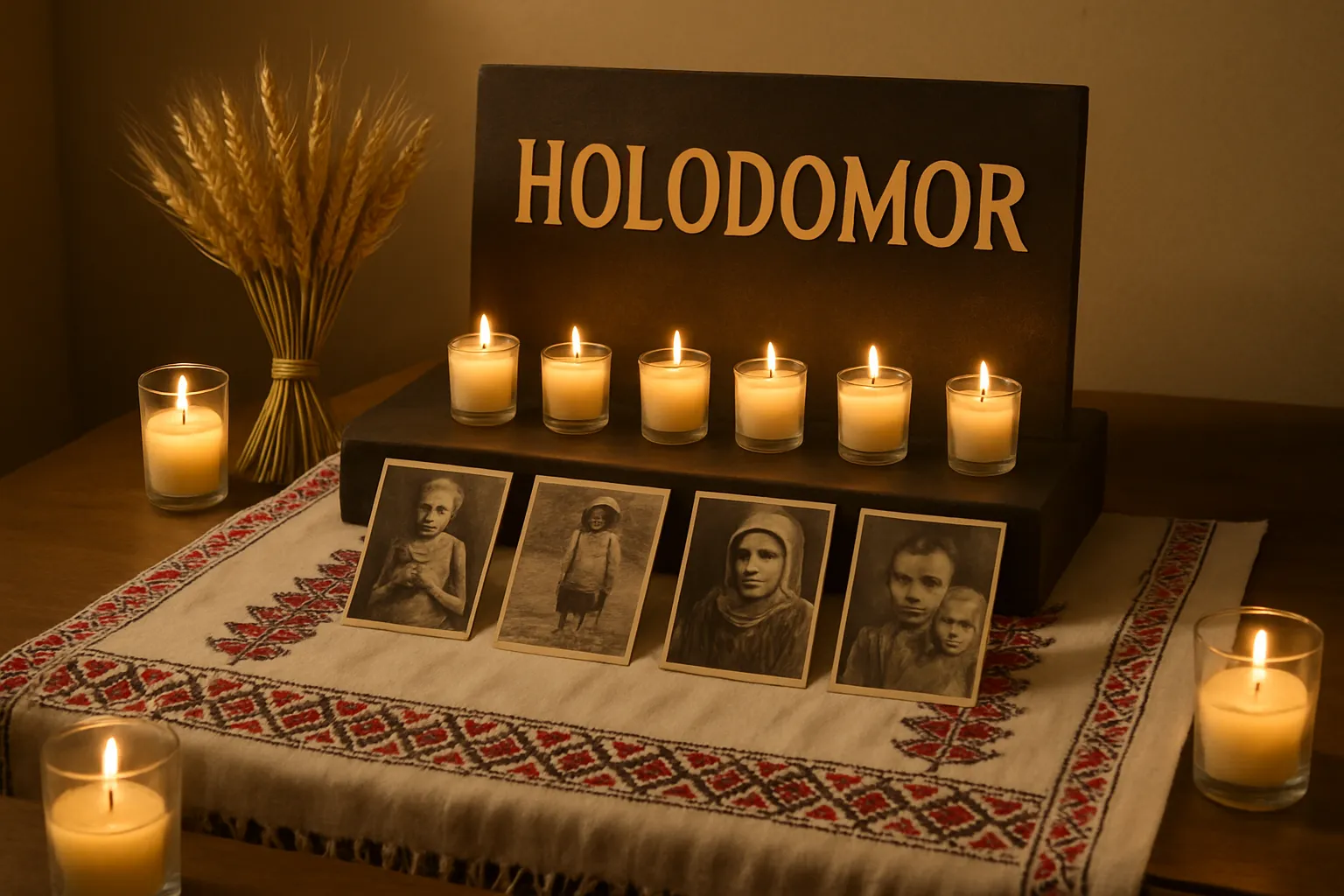
Commemorative events typically include solemn church services (panakhydy), candlelight vigils, educational seminars, film screenings, and the reading of names of known victims. Ukrainian schools, community organizations, and parish halls across Canada participate in these observances.
Parliamentary Recognition
On June 19, 2008, the Canadian Parliament passed Bill C-459, the Ukrainian Famine and Genocide (Holodomor) Memorial Day Act, officially recognizing the Holodomor as a genocide and establishing the fourth Saturday of November as Holodomor Memorial Day in Canada. This legislation was the culmination of decades of advocacy by the Ukrainian-Canadian community and reflected Canada’s commitment to historical justice.
Canada was among the first countries outside Ukraine to formally recognize the Holodomor as genocide. Several Canadian provinces — including Alberta, Saskatchewan, Manitoba, and Ontario — had already passed their own recognition motions before the federal legislation, demonstrating the strength and persistence of grassroots advocacy. Franco-Ukrainian cultural organizations such as France-Ukraine also work to preserve the memory of these events and promote awareness across Europe.
8. Resources for Researchers
Scholars and genealogists investigating the Holodomor and its effects on Ukrainian families can draw on a growing body of academic resources.
Harvard Ukrainian Research Institute (HURI)
Located at Harvard University, HURI has been a leading center for Holodomor scholarship since the 1980s. Its publications, seminars, and digital resources provide rigorous historical analysis of the famine and its context within Soviet nationality policy. HURI’s library holds an extensive collection of primary and secondary sources relevant to researchers.
Holodomor Research and Education Consortium (HREC)
Based at the University of Alberta in Edmonton, HREC is a joint project of the Canadian Institute of Ukrainian Studies and the Holodomor Research and Education Consortium. It funds scholarly research, publishes educational materials, supports oral history collection, and maintains an online resource hub for educators, students, and genealogists.
Additional Resources
- The U.S. Commission on the Ukraine Famine (1988 report and archives) — a congressionally mandated investigation that gathered survivor testimonies and documentary evidence.
- The National Museum of the Holodomor-Genocide (Kyiv) — maintains a growing database of victims’ names and biographical information.
- Holodomor Mobile Classroom — an educational initiative by the Holodomor National Awareness Tour that travels across Canada, bringing archival materials and survivor testimonies to schools and communities.
- Local Ukrainian-Canadian archives — organizations such as Oseredok (Winnipeg), the Ukrainian Museum of Canada (Saskatoon), and the Ukrainian Canadian Research and Documentation Centre (Toronto) hold family papers, correspondence, and community records that can illuminate the Holodomor period.
9. Carrying the Memory Forward
The Holodomor stands as one of the most devastating tragedies in Ukrainian history — a deliberate act of genocide that sought to break the Ukrainian nation through starvation. For genealogists, it represents both a profound challenge and a solemn responsibility. The gaps it left in the historical record are not merely archival inconveniences; they are the traces of millions of lives deliberately erased.
By pursuing genealogical research into the Holodomor period, family historians contribute to a larger project of restoration and remembrance. Every name recovered, every family connection reestablished, every story preserved pushes back against the silence that the perpetrators intended to be permanent.
The Ukrainian-Canadian community, through its memorials, its educational initiatives, and its tireless advocacy for recognition, has ensured that the Holodomor will not be forgotten. For those of us engaged in genealogical research, our work is part of that same commitment — to honor the memory of the lost by seeking to know them, name them, and restore them to the family histories from which they were torn.
Вічна пам’ять — Eternal memory.
Frequently Asked Questions
The Holodomor was a man-made famine in Soviet Ukraine from 1932 to 1933, engineered through Stalin's forced collectivization policies, deliberate grain confiscation, and sealed borders that prevented Ukrainians from seeking food elsewhere. An estimated 3.5 to 7.5 million Ukrainians perished. The term Holodomor comes from the Ukrainian words 'holod' (hunger) and 'mor' (plague), meaning 'death by hunger.' It is recognized as a genocide by Canada, the European Parliament, and numerous other nations.
The Holodomor devastated genealogical records in multiple ways. Entire villages were depopulated, and local civil registration offices (ZAHSy) lost or destroyed records. Survivors were often relocated, breaking the chain of documented family connections. Soviet authorities also deliberately suppressed demographic data to conceal the scale of the famine. Many church records, which had served as vital registers before Soviet rule, were already confiscated or destroyed during anti-religious campaigns of the 1920s and 1930s.
Major Holodomor memorials in Canada include monuments in Ottawa (near City Hall), Edmonton (at the Alberta Legislature grounds), Toronto (in the St. Vladimir Institute area), and Winnipeg (at the Manitoba Legislature grounds). Many Ukrainian communities across Canada also hold annual commemorative events on the fourth Saturday of November, which is the National Holodomor Awareness Week proclaimed by the Canadian government.
The Canadian Parliament officially recognized the Holodomor as a genocide on June 19, 2008, with the passage of Bill C-459, the Ukrainian Famine and Genocide (Holodomor) Memorial Day Act. Canada was among the first countries outside Ukraine to formally recognize the Holodomor as genocide. Several Canadian provinces had already passed their own recognition motions before the federal legislation.
Key resources include the Harvard Ukrainian Research Institute (HURI), the Holodomor Research and Education Consortium (HREC) based at the University of Alberta, the National Museum of the Holodomor-Genocide in Kyiv, and the U.S. Commission on the Ukraine Famine archives. Online databases such as the Holodomor Victims Memorial project are working to compile names of those who perished. Researchers can also consult regional archives in Ukraine, though access and record completeness vary significantly by oblast.