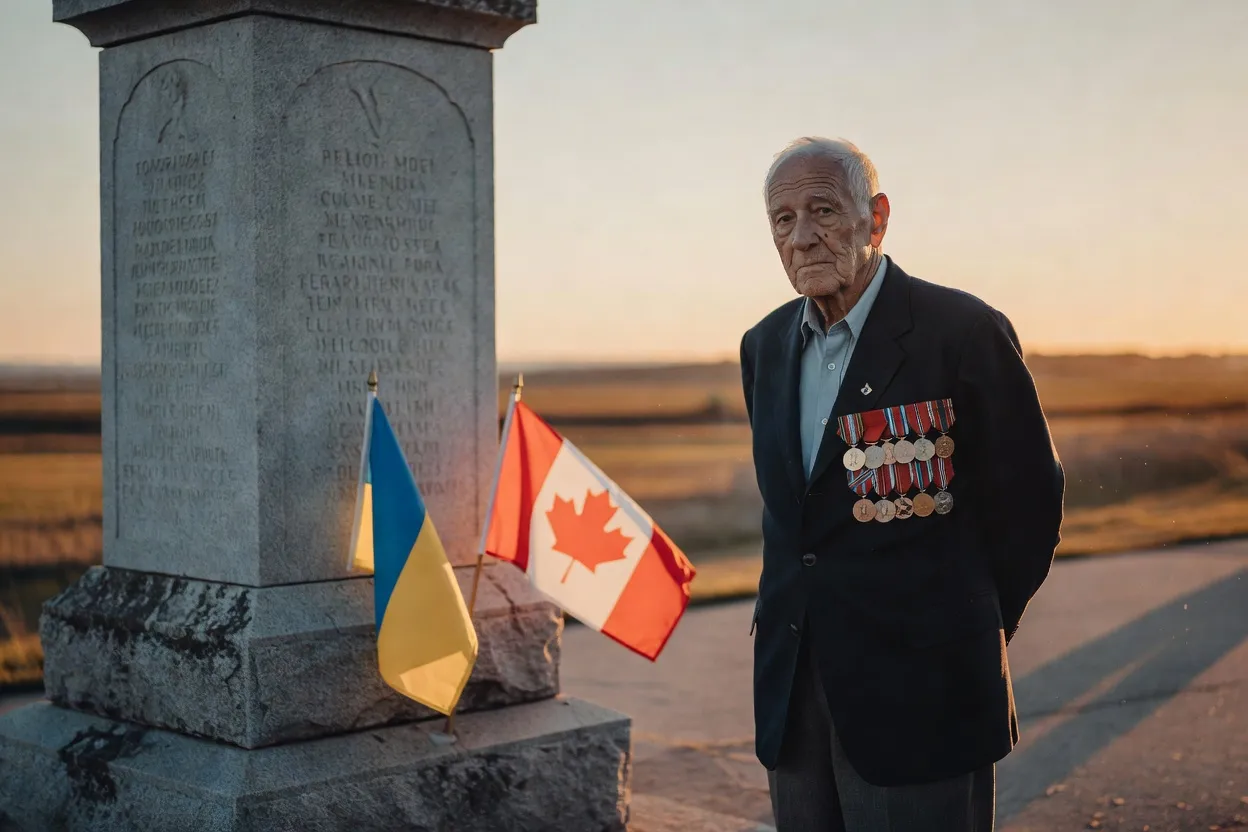
When the Second World War began in September 1939, Ukrainian-Canadian communities were only a generation removed from the first-wave settlement of the Prairies. Men and women whose parents had homesteaded under the Dominion Lands Act, whose families had built churches and reading halls in Manitoba, Saskatchewan, and Alberta, and whose own early childhoods had been shaped by the suspicions of the First World War internment era now found themselves called upon to serve Canada in uniform. The result was one of the largest single ethnic contributions to the Canadian war effort: between 35,000 and 50,000 Ukrainian-Canadians are estimated to have served in the Canadian Army, the Royal Canadian Air Force, and the Royal Canadian Navy during the conflict.
That service took many forms. Some enlisted in infantry battalions that fought through Sicily, Italy, and Northwest Europe. Others trained as aircrew for Bomber Command, served on convoy escort duty in the North Atlantic, or worked as nurses, mechanics, drivers, and signals operators. For genealogists today, the paper trail they left behind is held primarily at Library and Archives Canada, though finding and interpreting it requires a different approach from the one used for the earlier Canadian Expeditionary Force records of the First World War.
This guide covers what researchers need to know: the scale of Ukrainian-Canadian enlistment, the location and structure of Second World War service records, the contents of a typical file, the repatriation of the dead between 1946 and 1948, the community memorials that preserve local memory, and the practical steps for ordering a file from Library and Archives Canada.
The Scale of Ukrainian-Canadian Service in the Second World War
Ukrainian-Canadian participation in the Second World War was shaped by the community's complicated experience during the First World War. In 1914, immigrants from Austro-Hungarian Galicia and Bukovyna had been classified as enemy aliens, and roughly 8,000 of them were interned in camps across Canada. Yet at the same time, other Ukrainian-Canadians whose naturalization papers were in order served in the CEF. That earlier paradox — internment alongside loyal service — made the Second World War both a moment of redemption and a test of belonging for many families. The story of that earlier period is told in our guide to Ukrainian internment in Canada, and it remains essential background for anyone researching a family that lived through both conflicts.
By 1939, Ukrainian-Canadians were no longer enemy aliens. Most families who had arrived before 1914 were now naturalized citizens or Canadian-born, and the second wave of immigration after the war had added tens of thousands more. Community newspapers such as Ukrainian News and New Pathway reported enlistments, casualties, and home-front activities continuously, and post-war community histories began to estimate the total contribution. The figure most often cited — between 35,000 and 50,000 personnel — represents a substantial share of the military-age Ukrainian-Canadian population at the time.
The breadth of that service is worth emphasizing. Ukrainian-Canadian soldiers landed at Sicily in July 1943, fought up the Italian peninsula through Ortona and the Liri Valley, and took part in the liberation of the Netherlands in 1944 and 1945. Aircrew from Ukrainian-Canadian communities served in RAF and RCAF bomber and fighter squadrons over Europe. Sailors with Ukrainian surnames appear in the crew lists of corvettes and destroyers that escorted convoys across the North Atlantic. On the home front, Ukrainian-Canadian women enlisted in the Canadian Women's Army Corps, the Women's Division of the RCAF, and the Women's Royal Canadian Naval Service, while Ukrainian-language communities organized relief funds, sent parcels overseas, and maintained contact with refugees and displaced persons in Europe.
For descendants researching this service, the starting point is usually a name, a photograph, or a family story. The next step is almost always Library and Archives Canada.
Where Canadian Second World War Service Records Are Held
Library and Archives Canada in Ottawa holds the personnel service files for the three Canadian services during the Second World War. These files are organized by service rather than by ethnicity, which means there is no separate "Ukrainian-Canadian" index. A researcher looks for an individual name and then reads the file for clues about origin, religion, next of kin, and community connections.
The relevant record groups include:
- Canadian Army — personnel files for officers and other ranks of the Canadian Active Service Force, including infantry, armoured, artillery, and support units. These files often contain attestation papers, medical examinations, conduct sheets, casualty forms, and discharge documents.
- Royal Canadian Air Force — personnel files for airmen and airwomen, including aircrew candidates, ground crew, and administrative personnel. RCAF files frequently contain detailed medical and training records that can help establish birthplace and next of kin.
- Royal Canadian Navy — service records for officers and ratings, including records of training, postings, and casualties. RCN files are sometimes less detailed than army files but still contain attestation and next-of-kin information.
The files are physically held in Ottawa and are not comprehensively digitized in the same way as the CEF records. Some Second World War files, particularly those of service members who died during the war, have been digitized and can be viewed online through the LAC collection. Others must be ordered through the LAC Personnel Records Unit, either as photocopies or as digital scans.
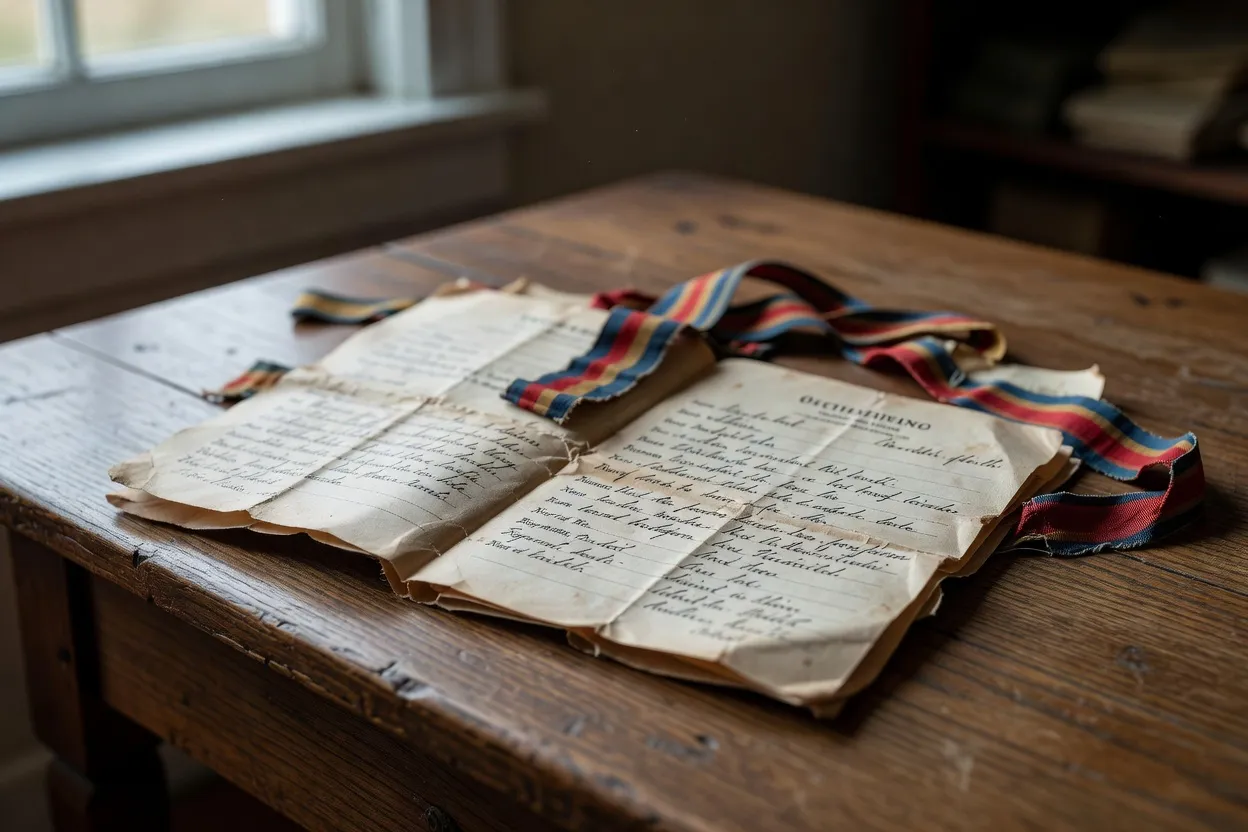
Privacy law affects access to these records in a way that does not apply to the First World War. Service files of individuals who survived the war are protected under the Privacy Act. To obtain a complete file, a researcher must normally provide proof that the person has been dead for more than twenty years, or must demonstrate a direct relationship to the veteran if the death is more recent. The exact requirements change over time as LAC updates its access policies, so it is wise to consult the current LAC guidance before submitting a request.
What a Second World War Service File Contains
A complete Canadian Second World War service file is one of the richest genealogical sources available for the period. Like the CEF files of the previous war, it tracks an individual continuously from enlistment through discharge or death. Unlike civilian records, which usually capture a person only at fixed moments, a service file follows movement, promotions, transfers, wounds, and next-of-kin changes.
| Document in the file | Genealogical value |
|---|---|
| Attestation paper or enrolment form | Full name, birthplace, birth date, occupation, religion, marital status, and address of next of kin — often the earliest Canadian document naming a specific Ukrainian village or district |
| Medical examination | Physical description, height, complexion, identifying marks, and any disqualifying conditions |
| Service and casualty form | Dates of enlistment, training, unit assignments, promotions, hospitalizations, and final discharge or death |
| Pay and allotment records | Confirms regular payments and any money assigned to a spouse, parent, or dependant in Canada |
| Correspondence and medals records | Letters to next of kin, medal entitlement, and sometimes post-war correspondence about commemoration or benefits |
| Discharge or death documentation | Final rank, reason for discharge, or circumstances of death, including burial location and next-of-kin notification |
The attestation paper is again the most valuable single page. Recruits were asked for their place of birth, their trade, their religion, and the name and address of a next of kin. For Ukrainian-Canadians, the birthplace may be given as a village in Galicia, Bukovyna, or Volhynia, or as a Canadian town if the recruit was born here. The religion field frequently lists "Greek Catholic" or "Greek Orthodox," the same designations used in Canadian census and parish records, and it can confirm ethnic origin when a surname has been anglicized.
Name change remains a major research problem. A surname such as Kowalchuk, Hawryluk, or Panchuk may appear in the file in several forms, and a given name such as Mykola or Pavlo may be recorded as Mike or Paul. As with CEF research, it is usually better to search by partial surname and then confirm identity using birthplace, birth year, and next-of-kin address together.
Repatriation of the Fallen: War Graves Registration and the Return of Bodies
More than 45,000 Canadian service personnel died during the Second World War. Of those, roughly half were buried overseas in military cemeteries maintained by the Commonwealth War Graves Commission, while the rest were returned to Canada through a formal repatriation program that operated between 1946 and 1948. Ukrainian-Canadian families were affected by both outcomes.
The Commonwealth War Graves Commission was established during the First World War and assumed responsibility for the permanent care of Commonwealth military graves. Its database now allows researchers to search by name, service number, regiment, and cemetery. For a Ukrainian-Canadian soldier who died in Italy, the Netherlands, France, Belgium, or Germany and who was not repatriated, the CWGC record will normally give the exact cemetery, plot, and grave reference. This is often the only source that specifies precisely where a person is buried.
For families who chose repatriation, the process was governed by a Canadian government program sometimes referred to as War Graves Registration or the repatriation of Canadian war dead. The program allowed next of kin to request that remains be returned to Canada for burial in a family plot or community cemetery. The operation was enormous: thousands of bodies were exhumed from temporary battlefield graves, identified, transported by ship to Halifax, and then sent by rail to their home communities. Documents generated by this program — shipping manifests, rail waybills, cemetery permits, and correspondence with next of kin — are held at Library and Archives Canada and can sometimes be found within a service file or in related administrative series.
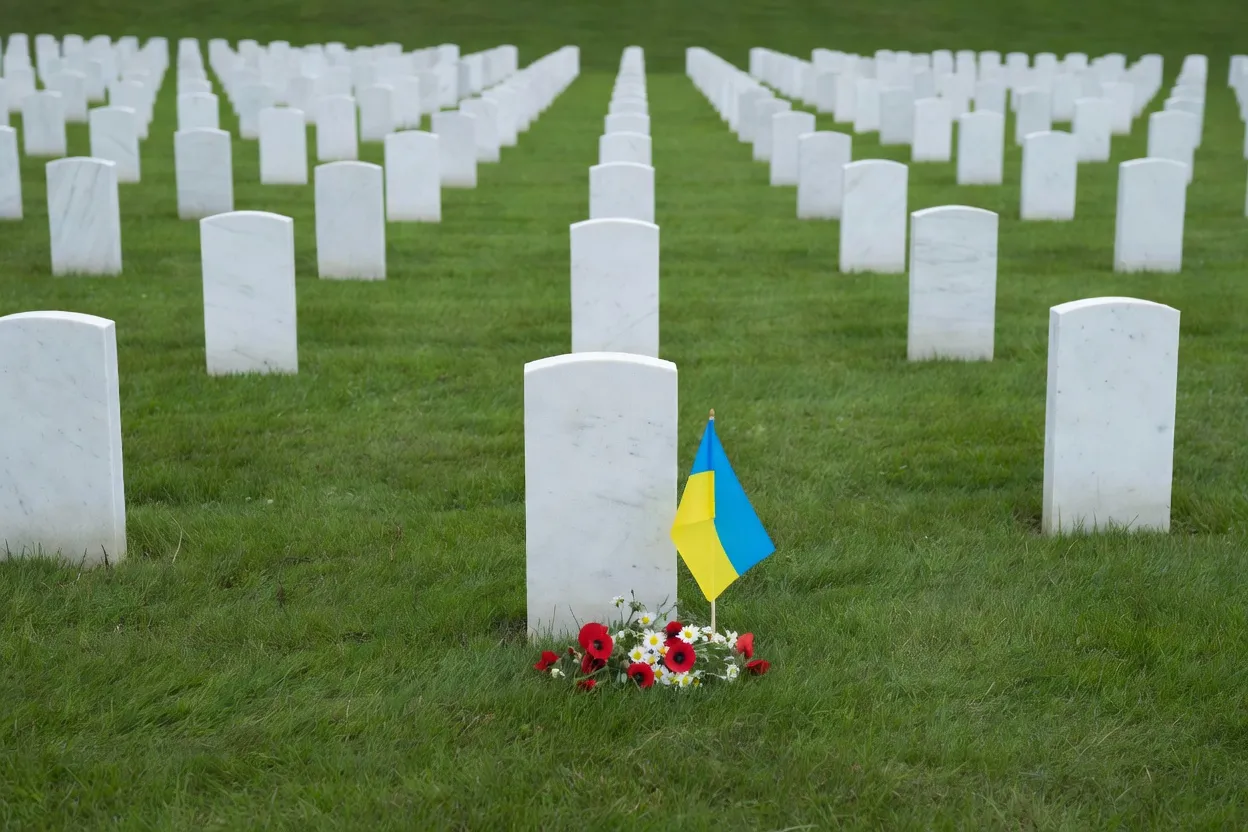
Researchers tracing a relative who died overseas should check both possibilities. If the service file or CWGC record indicates burial overseas, there may also be a memorial entry in a Canadian community cenotaph. If the body was repatriated, the local cemetery record, funeral home record, and church burial register are the next sources to consult.
Ukrainian-Canadian Veterans' Associations and Community Memorials
After the war, Ukrainian-Canadian veterans organized local branches of the Royal Canadian Legion, the Canadian Legion, and specifically Ukrainian veterans' associations such as the Ukrainian Canadian Veterans' Association. These organizations became important repositories of community memory, holding photographs, nominal rolls, banquet programs, and correspondence that rarely survive in government archives.
Community cenotaphs are another essential source. Almost every Canadian town and city erected a memorial after the war, and Ukrainian bloc settlements often added names to these lists or built their own monuments. The names carved into a cenotaph can be cross-referenced against service files, church records, and local newspapers to reconstruct a family story. In some cases, the cenotaph is the only place where a Ukrainian birth name survives in its original spelling, because the family later anglicized its surname.
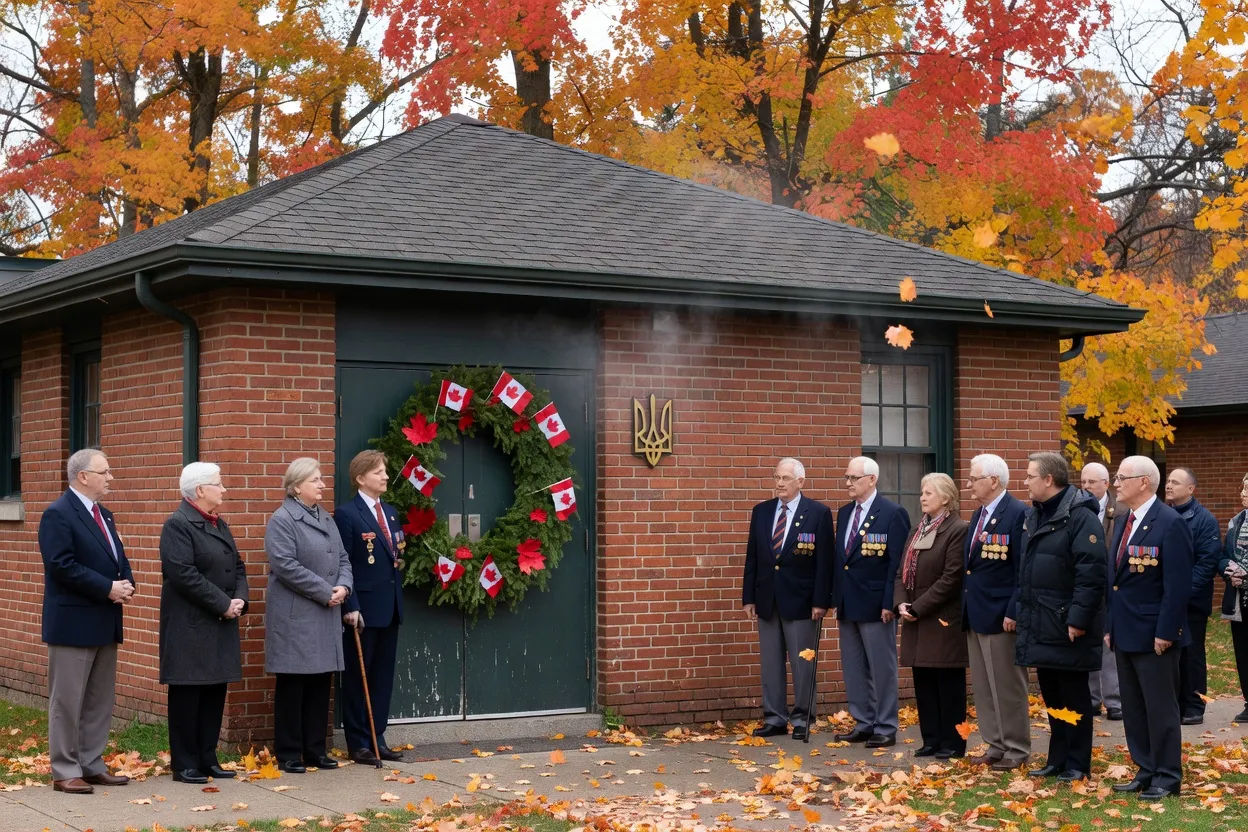
For families on Prince Edward Island, the broader settlement context matters. The history of Ukrainian settlers on Prince Edward Island explains how small but tightly knit communities formed on the island and how their wartime contributions are recorded in local parish records, newspapers, and memorials rather than in large urban archives.
Other places to look for community-level material include:
- Provincial and local archives — many hold Legion branch records, community history collections, and local newspaper photograph files.
- Church archives — Ukrainian Catholic and Ukrainian Orthodox parishes often kept lists of parishioners who served, along with memorial plaques and prayer rolls.
- Community museums and cultural centres — these sometimes hold donated medals, uniforms, letters, and photograph albums that name individuals not found in official records.
- Ethnic press — Ukrainian-language newspapers such as Ukrainian News and New Pathway published casualty lists, enlistment notices, and post-war honour rolls that can fill gaps left by English-language papers.
Ordering a Service File and Building a Research Plan
Finding a Ukrainian-Canadian Second World War service file requires more patience than searching for a First World War CEF record, but the rewards are comparable. The file may be the only document that states a European birthplace, links a married name to a parent's address, or records a next-of-kin relationship at a specific moment in time.
A practical research plan usually follows these steps:
- Gather everything the family already knows. Collect photographs, medals, discharge certificates, obituaries, and any oral history about unit names or theatres of service. Even partial information — a service number fragment, a nickname, or a mention of "Italy" — can narrow the search.
- Confirm the legal name and approximate dates. Check census records, church registers, and naturalization files for the name used in civilian life. Remember that the military file may use an anglicized version.
- Search the Library and Archives Canada databases. LAC provides research guides and searchable databases for Second World War army, air force, and navy personnel. Start with surname searches and broaden spelling variants.
- Submit a request to the LAC Personnel Records Unit. If the file is not digitized, use LAC's formal request process. Include full name, service number if known, date of birth, date of death if applicable, and your relationship to the individual.
- Cross-reference with Commonwealth War Graves Commission records. For anyone who died during the war, the CWGC database will confirm overseas burial or indicate whether repatriation occurred.
- Return to community sources. Once a service record establishes unit and date of death, local newspapers, cenotaphs, and church records can supply the memorial and family context that official files lack.
The relationship between immigration and military service is often closer than it appears at first. A family that arrived in Canada in the first wave, weathered the immigration and naturalization process, and then sent sons or daughters into uniform in 1939 left a paper trail that runs from ship passenger lists through homestead files, census returns, and finally service files. Reading these sources together is the only way to understand why a particular family served when and how it did.
Researchers should also be aware that some files were lost or destroyed. A fire at the Department of National Defence records centre in 1946 damaged some Second World War records, and not every file survived with complete documentation. When a file is missing, the attestation or casualty information can sometimes be reconstructed from related records such as medal rolls, hospital admission and discharge ledgers, or the Commonwealth War Graves Commission database.
The Second World War service records of Ukrainian-Canadians are more than administrative files. They are the documentary residue of a community that moved within one generation from suspicion and internment to full military service and citizenship. For descendants, they offer a way to recover names, places, and dates that family memory has softened or forgotten, and to place individual lives back into the larger story of Ukrainian-Canada.
Sources consulted: Library and Archives Canada, "Second World War" research guides and personnel records; Library and Archives Canada, "Second World War Records"; Commonwealth War Graves Commission, "Find War Dead" database; Ukrainian News and New Pathway (Ukrainian-Canadian press), estimates of Ukrainian-Canadian wartime service; Wikipedia, "Military history of Canada during the Second World War" (general context and casualty figures).
Frequently Asked Questions
Estimates based on community and press sources, including Ukrainian News and New Pathway, place the number of Ukrainian-Canadians who served in the Canadian armed forces during the Second World War between 35,000 and 50,000 personnel.
Canadian Second World War service records are held by Library and Archives Canada in Ottawa, primarily within Department of National Defence record groups for the Canadian Army, Royal Canadian Air Force, and Royal Canadian Navy. Some files are subject to privacy restrictions and must be requested through the LAC Personnel Records Unit or an Access to Information and Privacy request.
Service files of Canadian military personnel who died during the Second World War or within a few years afterward are generally open and may be digitized. Files of those who survived are protected by privacy legislation; researchers must submit a formal request, provide proof of death, and sometimes prove their relationship to the veteran.
For service members who died overseas and were not repatriated, the Commonwealth War Graves Commission maintains searchable records of burials and memorials. For veterans who died in Canada after the war, burial locations may be found through provincial vital statistics, cemetery transcripts, local obituaries, church death records, and community veterans' memorials.
Canadian Expeditionary Force records from the First World War are almost entirely digitized and freely searchable online through Library and Archives Canada. Second World War service records are physically held in Ottawa, are not comprehensively digitized, and surviving veterans' files are protected by privacy rules that require a formal request and proof of death.